Eagle’s Nest Youth Ranch is a non-profit organization, governed by a volunteer Board of Directors. Our first group home opened in 2007 in the rural municipality of Lakeland and had the capacity to serve 10 children who required an assessment and stabilization service. Since then, we have expanded our services into the cities of Prince Albert, Saskatoon, North Battleford, and the Battlefords, and have the capacity to serve 162 youth and 9 adults. We support youth in their journey toward healing, growth, and independence.
Eagle's Nest uses a trauma informed approach to providing services. Key components of a trauma informed approach include the 4 Rs (SAMHSA 2014):
Realize the impact of trauma and understand the potential paths for recovery
Recognize the signs and symptoms of trauma in those we serve, families, staff and others involved with the system
Responding by putting this knowledge into policy, practice, and procedures
Resist re-traumatization
Key features of trauma-informed services include (Harris & Fallot, 2001 pp. 7-12):
Safety: physical and emotional
Trustworthiness: prioritizing trust, making tasks clear, and maintaining appropriate boundaries
Choice: prioritizing the person's choice and control
Collaboration: sharing power with the individual and working with vs against them
Empowerment: prioritizing the individual's empowerment and skill building
A safe, welcoming place for young people who need a short term stay during times of crisis. We provide immediate support, and caring relationships while next steps are planned.
Youth receive support with:
Our focus is on helping youth regain stability while the referring agency and family plan for what comes next.


A supportive group living program that helps youth understand their needs, strengths, and goals. Through daily routines, counselling, activities, and a supportive environment, youth gain stability and are assisted in developing a clear plan for their future.
Key elements include:
A long-term, supportive home for children with intellectual or developmental disabilities. We focus on the development of daily living skills, emotional and physical well-being, community involvement, and strong family connections.
Supports include:
Our goal is to help each child grow, develop independence, and experience a high quality of life where they can reach their full potential.
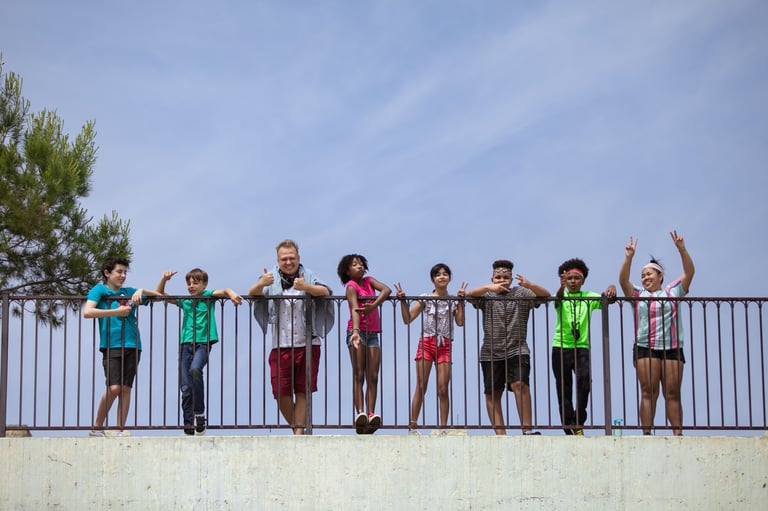

A person-centered home for adults with intellectual or developmental disabilities, offering 24-hour around the clock supervision and support. We help participants set their own goals for their future, support independence and personal choices, develop meaningful relationships, explore personal interests, and participate in community life at their own pace, in their own way.
Participants receive support with:
Some adults live in the program as part of a transition plan; others choose it as their long-term home.
A voluntary, wraparound program that supports youth transitioning to live with their families or caregivers, welcoming them home or into a new placement.


Eagle's Nest operates an Independent School accredited by the Saskatchewan Ministry of Education. Our educational approach is trauma-informed, culturally responsive, and relationship-based, recognizing the unique strengths, experiences, identities, and learning journeys of each student. Qualified teachers deliver individualized academic and social learning grounded in provincial curriculum.
Students receive:
Some students attend community schools with added support, while others learn in Eagle's Nest classrooms until they are ready to transition to a community school.
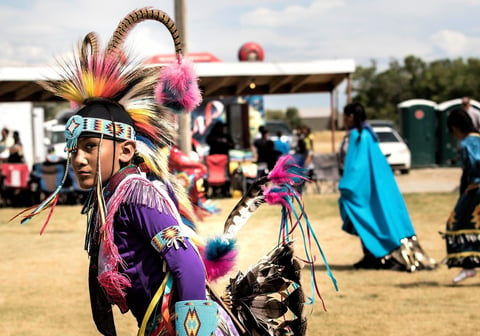
Culturally responsive practice is central to wellbeing, identity, and healing at Eagle's Nest. We honour culture, language, family, community, and land as protective factors, and integrate Indigenous teachings and ways of knowing throughout daily life. We strive to ensure every client maintains meaningful connection to their culture, family, and community.
Our Indigenous Cultural Coordinators work with Elders, families, and staff to provide:

Eagle's Nest offers a range of clinical services and supports, facilitated by the Caseworker assigned to work within each home.
The Caseworker also plays a key role in maintaining communication between the agency, the referring worker, and the child's family.
Referrals to Eagle's Nest Youth Ranch are made through First Nations Child and Family Service (FNCFS) agencies or the Ministry of Social Services (MSS). We do not accept direct referrals from individuals or families.
The referring worker contacts ENYR to discuss the youth's needs.
If ENYR seems like the right fit for the individual and the referral is accepted, the worker brings the youth to the program and provides essential information.
An Individual Crisis Support Plan is created with the youth, referring worker, and ENYR staff.
Planning continues throughout the youth's stay to support safety, stability, personal growth, healing, and next steps.
If you are a caregiver seeking support, please connect with your local FNCFS agency or MSS office.
Have questions about our programs?
Contact Us